Cities
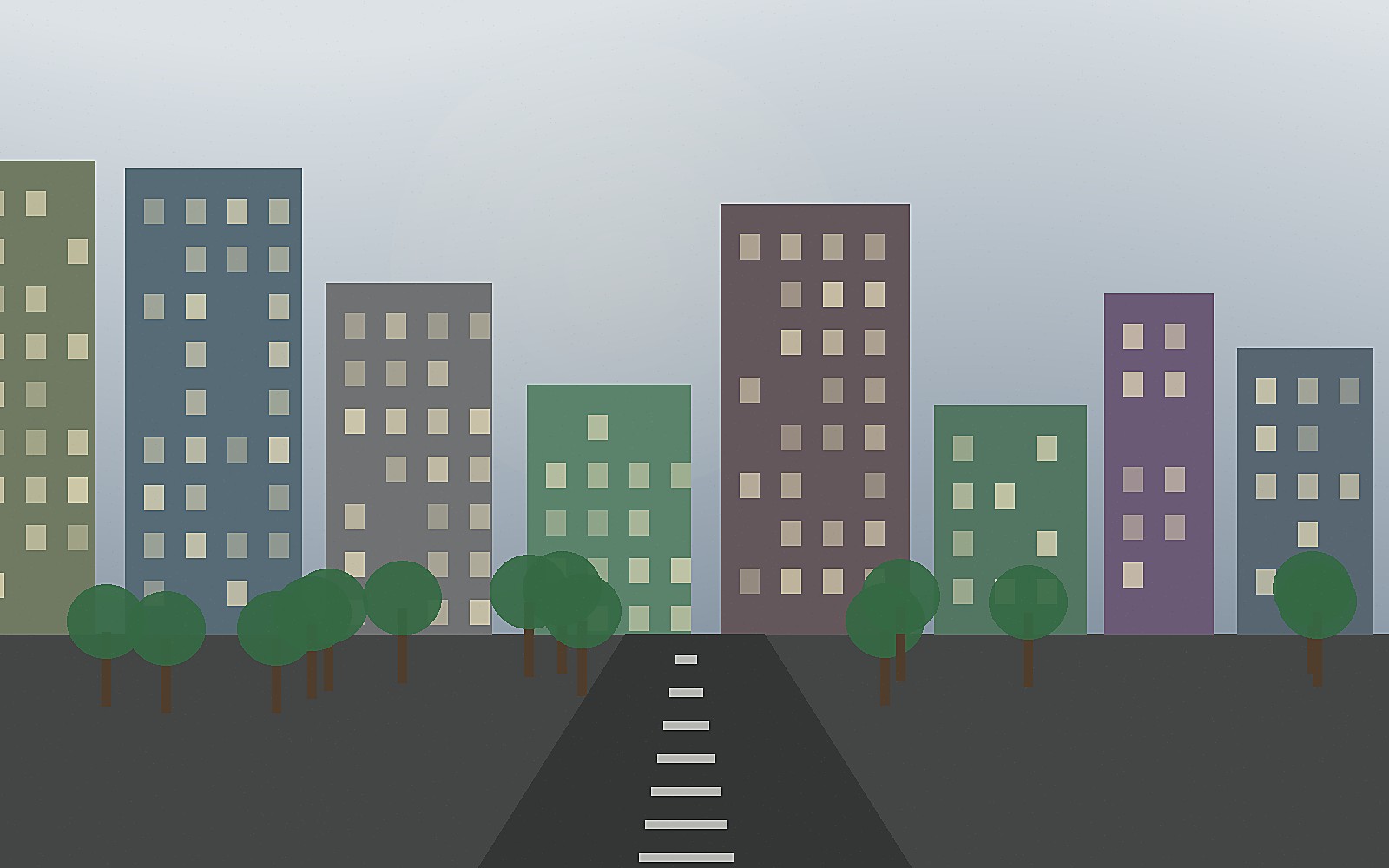
Why Walkable Neighborhoods Keep Winning Over Residents
A practical look at the street design, services and habits that make compact neighborhoods easier to live in.
Fresh notes, practical explainers and durable stories from The Brick Bars.
Add your own news, update or blog post here. This section is intentionally simple: use an H2 for the title and a P element for the text, then link to a full story whenever you are ready.
A practical look at the street design, services and habits that make compact neighborhoods easier to live in.
The design moves that make compact homes feel calmer, brighter and more useful.
More people are rethinking the daily trip to work, and rail sits at the center of that conversation.
A neighborhood café can become a durable business when product, place and routine work together.
What happens inside the infrastructure that keeps streaming, cloud storage and apps online.
A practical guide to where automation saves time and where human review still matters.
Battery care, storage habits and simple maintenance can extend the useful life of a phone.
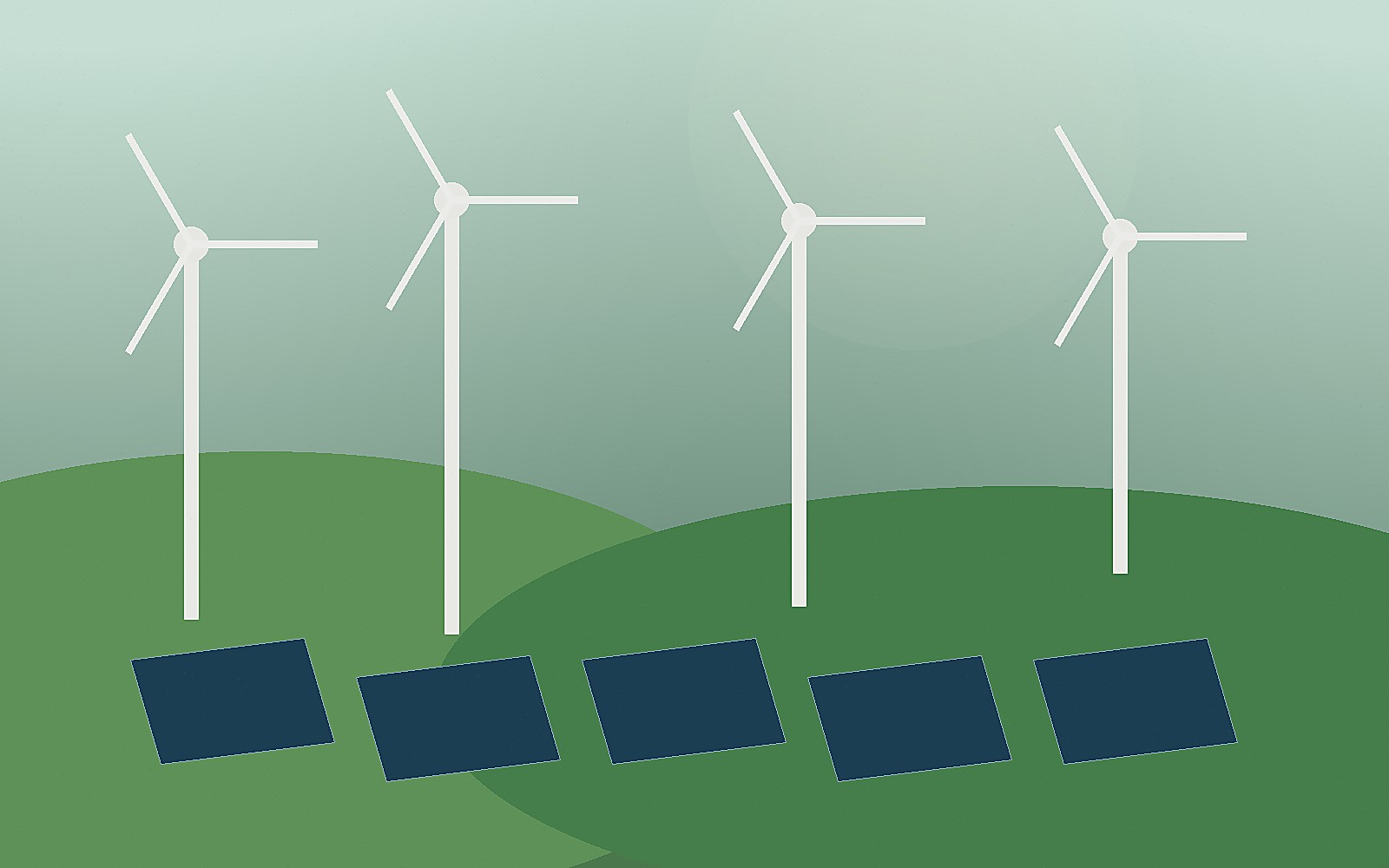
From wind consistency to grid access, the key factors that shape a successful wind project.
A homeowner-friendly checklist covering roof condition, shade, electricity use and payback assumptions.
Trees influence shade, comfort, biodiversity and the way streets feel throughout the year.
A plain-language overview of sea walls, wetlands, drainage and long-term adaptation planning.
Markets combine fresh food, social contact and small-business discovery in a way apps struggle to copy.
A slower strategy can make galleries more memorable, even when you only have an hour.
Shared attention, scale and atmosphere give cinemas a different job from watching at home.
A realistic approach to books that relies on environment and habit instead of willpower.
Planning, hearing protection and smart timing can make concerts more comfortable and memorable.
Good sightlines, transport, food and crowd flow shape the experience before the action even starts.
Route planning, visibility and simple bike setup can make city cycling less stressful.
Start with repeatable effort, flexible routes and recovery instead of chasing perfect sessions.
What to pack, how to sleep better and when overnight rail makes sense for a short trip.
A simple system for documents, timing, luggage and charging can remove most avoidable friction.
Small habits around boarding, bags and noise can make a crowded ride easier for everyone.
Build flexible dinners from a few dependable ingredients instead of planning every plate in advance.
The best home workspaces support focus without taking over the entire room.
Good lab design reduces unnecessary movement and makes careful work easier to repeat.
Sensors, sampling and careful logging turn changing sea conditions into evidence researchers can compare.
Durable materials, adaptable layouts and thoughtful proportions can keep architecture useful for decades.